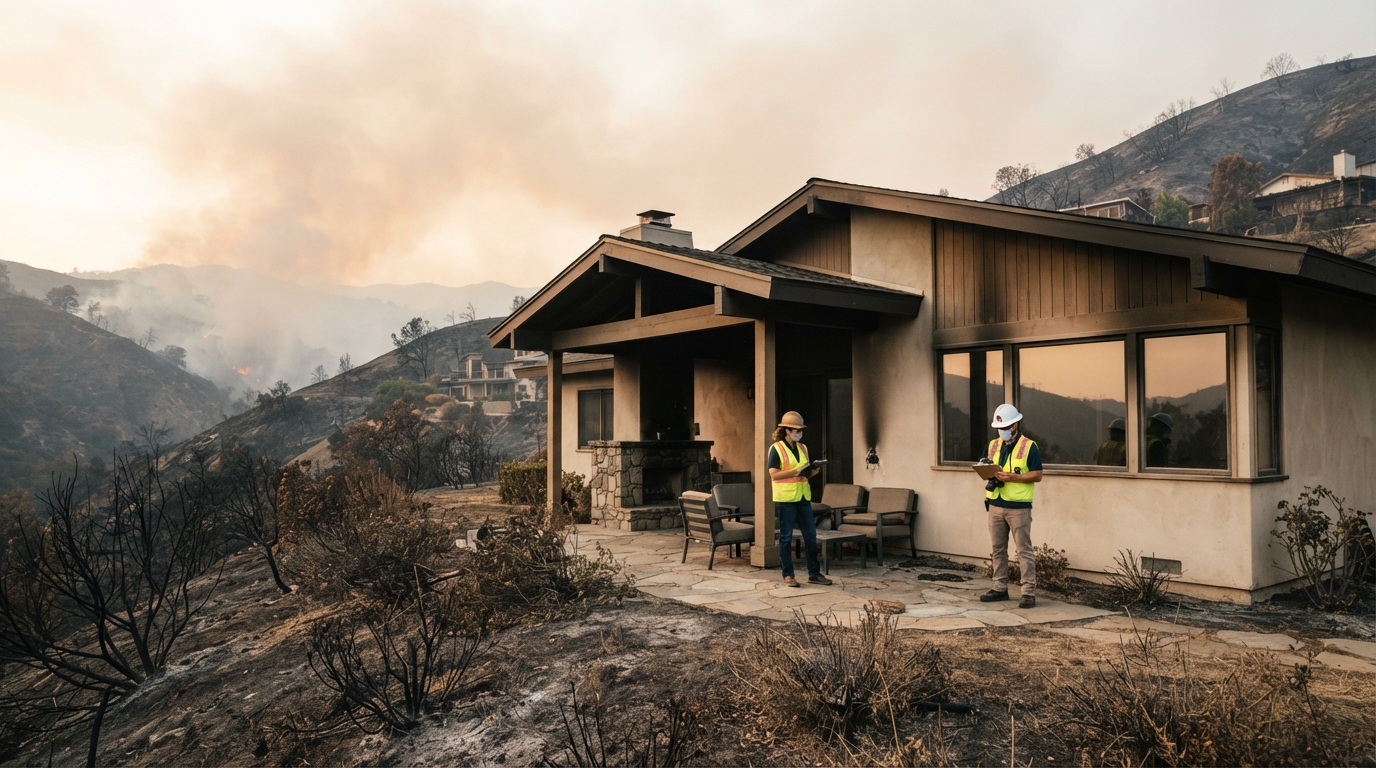
Wildfires can damage a home even when flames never reach the building. Smoke, soot, and ash can enter through windows, doors, vents, and other openings. These materials may affect walls, furniture, flooring, ventilation systems, and personal belongings.
California homeowners now have stronger protections for some wildfire smoke claims. In September 2026, California enacted Assembly Bill 1795, known as the Smoke Damage Recovery Act. The law creates clearer rules for testing, inspections, cleanup, repairs, and insurance claim handling.
The new law matters because smoke damage is not always easy to see. A home may look safe from the outside while still needing professional testing or restoration.
Homeowners should understand these protections before accepting an insurance decision. Good documentation can also make the claim easier to explain and support.
This article provides general information about the Smoke Damage Recovery Act. It does not replace legal advice for a specific insurance claim.
What the Smoke Damage Recovery Act Means for California Homeowners
The Smoke Damage Recovery Act creates a more organized process for wildfire smoke claims. It focuses on homes that remain standing after a wildfire but may contain smoke or soot contamination.
In the past, homeowners often faced disagreements about testing and cleanup. Insurers and property owners could also disagree about repair costs. Questions sometimes arose about whether a home was safe to occupy.
The new framework gives homeowners and insurers clearer standards. It addresses inspections, testing, restoration, repair estimates, and certain living expenses.
However, every insurance claim remains different. Policy terms, property conditions, evidence, and location can affect the outcome.
Smoke Damage Testing and Inspections
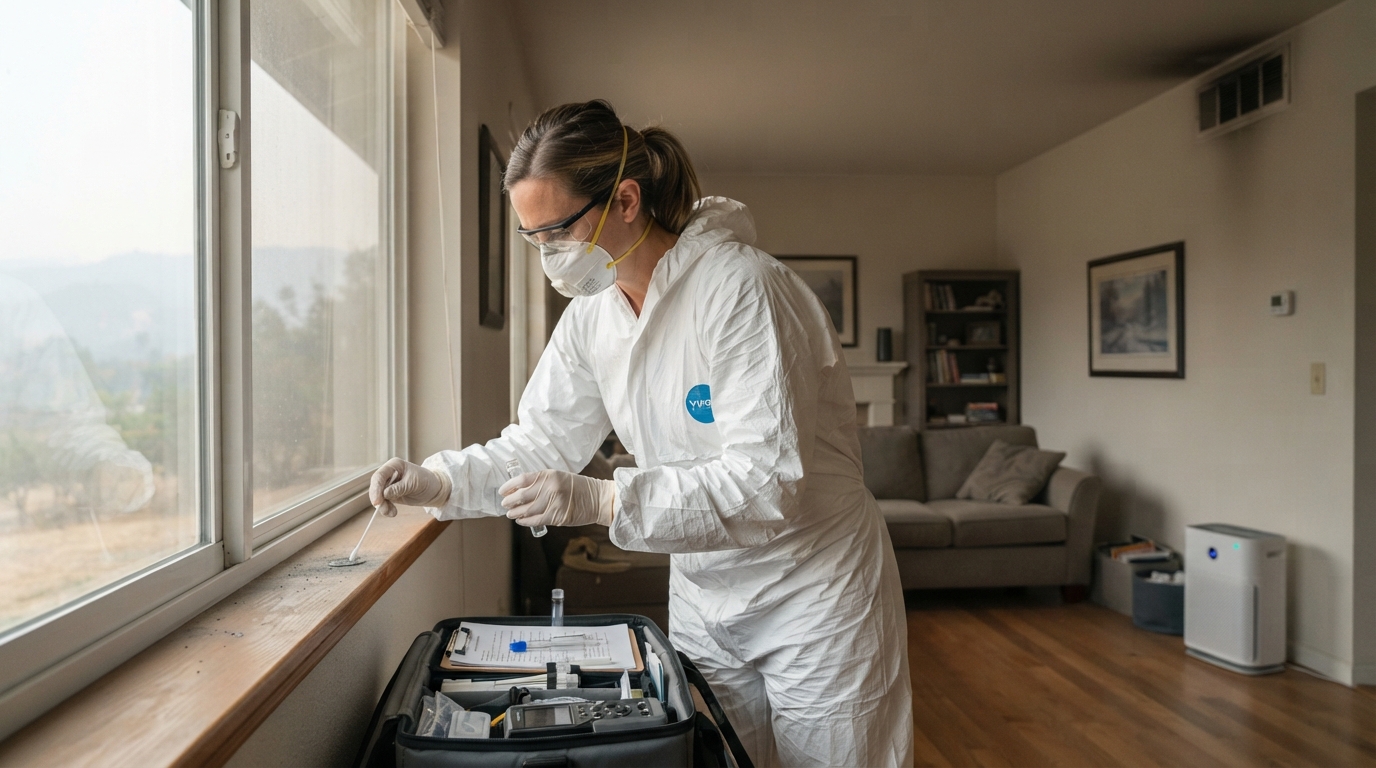
One key part of the law concerns smoke testing. In qualifying cases, homeowners may need professional testing to identify contamination inside the property.
Testing can help determine whether smoke, soot, or ash entered the home. It may also identify areas that require cleaning or replacement.
The California Department of Insurance explains that the law creates protections for homes located within certain wildfire impact areas. It also addresses necessary sampling and inspection procedures.
Homeowners should still keep detailed records. Strong evidence can help explain the condition of the property before and after the wildfire.
Keep a Complete Record of the Damage
Start documenting the property as soon as it is safe to do so. Take clear photographs of every affected room and exterior area.
Videos can also help show the full condition of the home. Capture walls, floors, ceilings, windows, furniture, vents, and other affected areas.
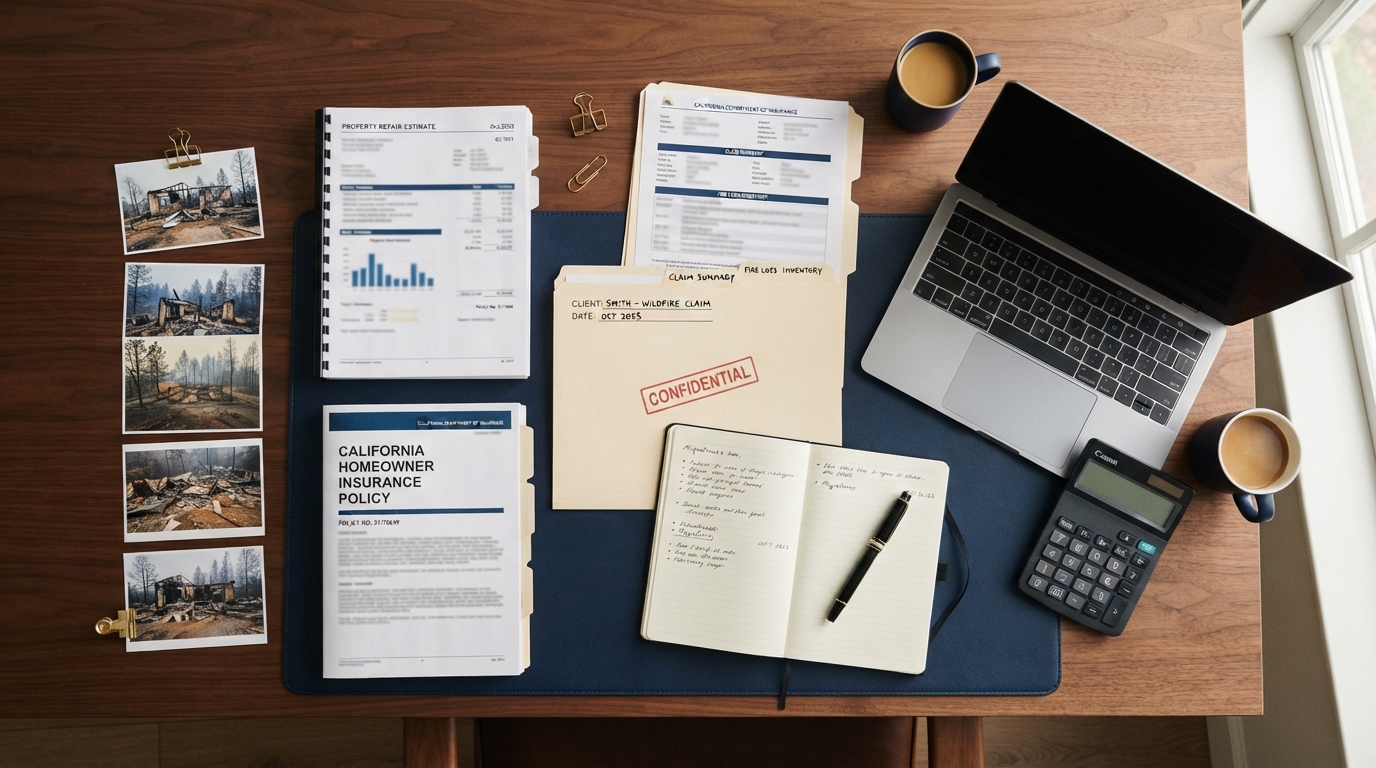
Keep copies of important documents, including:
- Your homeowners insurance policy
- The policy declarations page
- Your insurance claim number
- Photographs and videos
- Inspection reports
- Smoke testing reports
- Repair and cleaning estimates
- Receipts for temporary expenses
- Emails and letters from the insurer
A simple communication log can also help. Write down the date of each call, the person you spoke with, and the main points discussed.
Whenever possible, ask the insurer to confirm important decisions in writing. Written records can reduce confusion later.
Track Additional Living Expenses Carefully
Some homeowners cannot safely return home during testing or restoration. In those situations, insurance coverage may include Additional Living Expense benefits.
These benefits are often called ALE. They may help cover certain extra costs while the property remains uninhabitable.
For example, a qualifying claim may involve temporary housing or storage expenses. Other additional costs may also apply under the policy.
Keep every receipt related to temporary living arrangements. It is also helpful to create a basic spreadsheet or expense log.
Record the date, amount, and reason for each expense. This makes it easier to explain the costs to the insurance company.
Do not assume every expense will qualify. Coverage depends on the policy and the facts of the claim.
Repair Estimates and Smoke Remediation
Smoke cleanup can involve more than wiping down surfaces. Contamination may reach areas that are difficult to inspect without professional equipment.
Depending on the damage, restoration work may include deep cleaning, ventilation treatment, material removal, or replacement of damaged property.
Some homes may also need follow-up testing after cleanup. This step can help determine whether the restoration work addressed the identified problem.
Homeowners should review repair estimates carefully. Compare the insurer’s estimate with any estimate from a qualified restoration company.
A price difference does not automatically mean either estimate is wrong. Instead, compare the actual work listed in each document.
Compare the Scope of Work, Not Just the Total Price
Look at each repair item separately. One estimate may include work that another estimate leaves out.
For example, one contractor may recommend cleaning a surface. Another may believe the material requires replacement.
Ask why the recommendations differ. Supporting reports, photographs, and test results can provide useful context.
Homeowners should also review whether the estimate includes all affected rooms. Small omissions can create larger disagreements later.
If you receive a written denial or partial approval, keep a copy. Review the insurer’s explanation before responding.
You can also visit the site’s Legal Resources section for more educational information. The Practice Areas page provides an overview of available legal services.
What to Do if Your Smoke Damage Claim Is Delayed or Disputed
Insurance disputes can happen for many reasons. A delay does not always mean the insurer acted improperly.
Large wildfire claims may require inspections, estimates, testing, and document review. Complex losses can take time to evaluate.
Still, homeowners should pay attention when communication stops or important issues remain unresolved. A well-organized claim file can make the next steps easier.
First, identify the exact problem. Avoid describing the issue only as an unfair claim.
Instead, determine what the insurer actually disputes. The disagreement may involve testing, repairs, temporary housing, personal property, or the cause of the smoke damage.
Organize the Claim Before You Escalate the Dispute
Start with the insurer’s most recent written decision. Compare that decision with your policy and supporting records.
If something is unclear, ask the insurer for an explanation in writing. A specific question usually gets a more useful response than a general complaint.
For example, ask why a certain repair item was excluded. You can also ask why testing was denied or why a payment amount changed.
Next, gather the evidence that relates to that issue. Keep the response focused and easy to understand.
If the dispute involves repair costs, compare the estimates line by line. Highlight the exact work that differs.
If the issue involves smoke testing, keep copies of professional recommendations and reports. Include photographs when they help explain the condition.
Homeowners can also review information from the California Department of Insurance. The agency provides wildfire insurance guidance and consumer assistance.
Read the California Department of Insurance information about the Smoke Damage Recovery Act.
Know When You May Need Additional Help
Some claim disputes can be resolved through additional documentation. Others may require more formal assistance.
Consider seeking professional guidance if the insurer denies a major part of the claim. The same may apply when large repair costs remain disputed.
Repeated delays can also create problems. Important deadlines may continue to run while the parties discuss the claim.
Those deadlines can depend on the insurance policy and the type of dispute. For that reason, homeowners should not assume that negotiations pause every legal deadline.
A complaint with a regulator is also different from a private legal claim. Filing a complaint does not automatically protect every legal right or deadline.
Homeowners who want general information about the court system can review the California Court Guide. It explains basic California court structure and procedures.
The Smoke Damage Recovery Act gives California homeowners clearer protections after wildfire smoke damage. It also creates a more structured process for testing, restoration, and certain insurance benefits.
Even with these protections, documentation remains important. Take photographs, save estimates, keep receipts, and preserve insurer communications.
Most importantly, review every claim decision carefully. Ask questions when an explanation is unclear and keep important responses in writing.
California may continue to release guidance as agencies implement the new rules. Homeowners should therefore check current information from the California Department of Insurance when managing a smoke damage claim.