
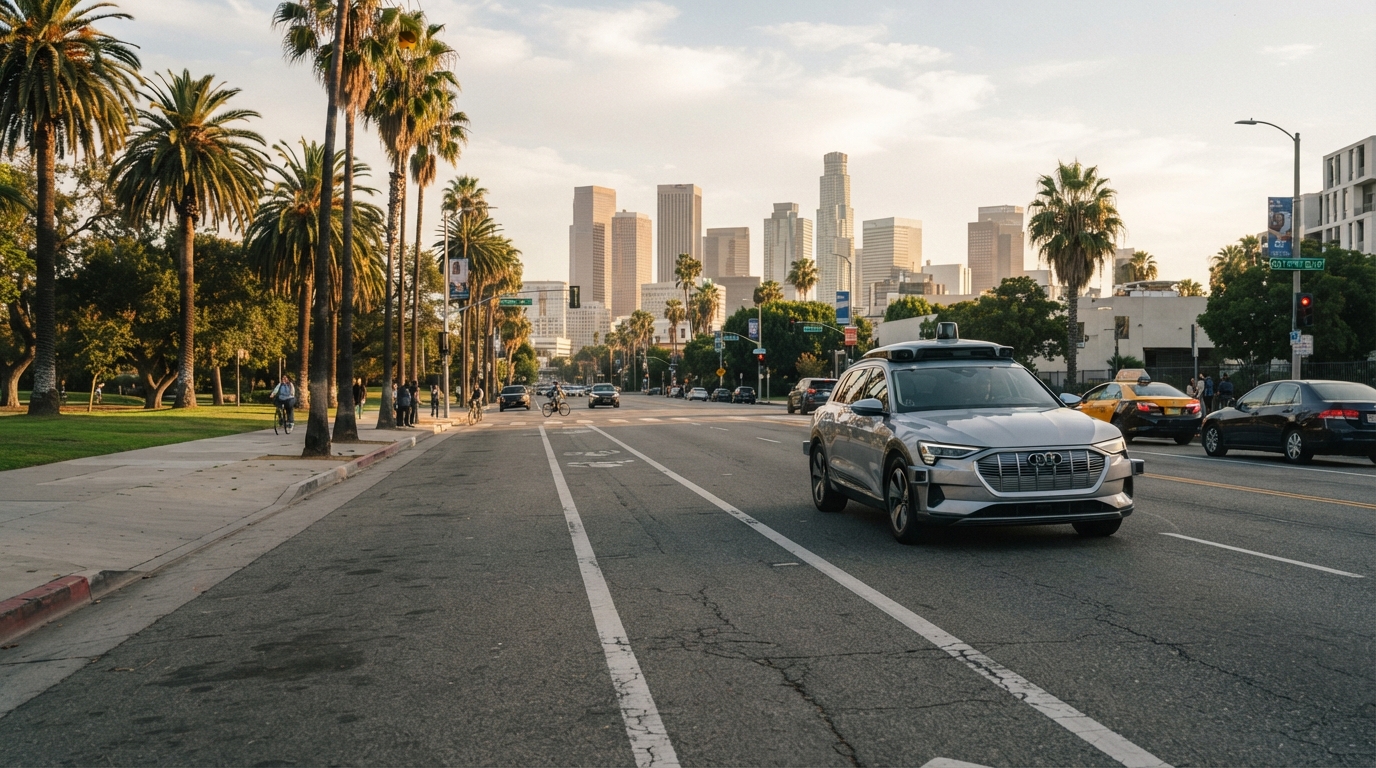
Autonomous vehicles are becoming a larger part of California transportation. Driverless cars already operate on public roads in parts of the state. Companies are also testing new systems for passenger travel, delivery, freight, and transit.
California changed its rules in 2026 to address this growth. On April 28, 2026, the California Department of Motor Vehicles adopted major new autonomous vehicle regulations.
The updated rules cover both light-duty and heavy-duty vehicles. They also add new safety, reporting, enforcement, and emergency response requirements.
For everyday drivers, these changes raise an important question. What happens when an autonomous vehicle causes a traffic problem or becomes involved in a crash?
The answer can depend on many facts. The vehicle, manufacturer, software, remote operator, another driver, and road conditions may all matter.
This guide explains California’s 2026 autonomous vehicle rules in plain language. It also covers practical steps drivers can take after a collision involving an autonomous vehicle.
This article provides general legal information. It does not replace advice about a specific accident or claim.
What Changed Under California Autonomous Vehicle Rules in 2026
California has regulated autonomous vehicle testing for years. The 2026 update expands that system and creates stronger oversight tools for the DMV.
The rules establish a more structured path from testing to commercial deployment. Manufacturers must meet safety requirements before moving to the next stage.
They also give state and local officials more tools when an autonomous vehicle creates a safety concern.
Manufacturers Face New Testing and Safety Requirements
Under the updated rules, manufacturers generally move through several stages before commercial deployment. They begin with testing that uses a safety driver. They can later move to driverless testing.
A manufacturer must complete required testing before seeking commercial deployment approval. The DMV says light-duty vehicles must complete 50,000 miles at each required phase. Heavy-duty vehicles have a 500,000-mile requirement.
Manufacturers must also prepare a structured safety case. That review addresses the vehicle’s hardware, software, and operating system.
The goal is to show that the technology can operate safely within its approved conditions.
Heavy-Duty Autonomous Trucks Can Now Seek Permits
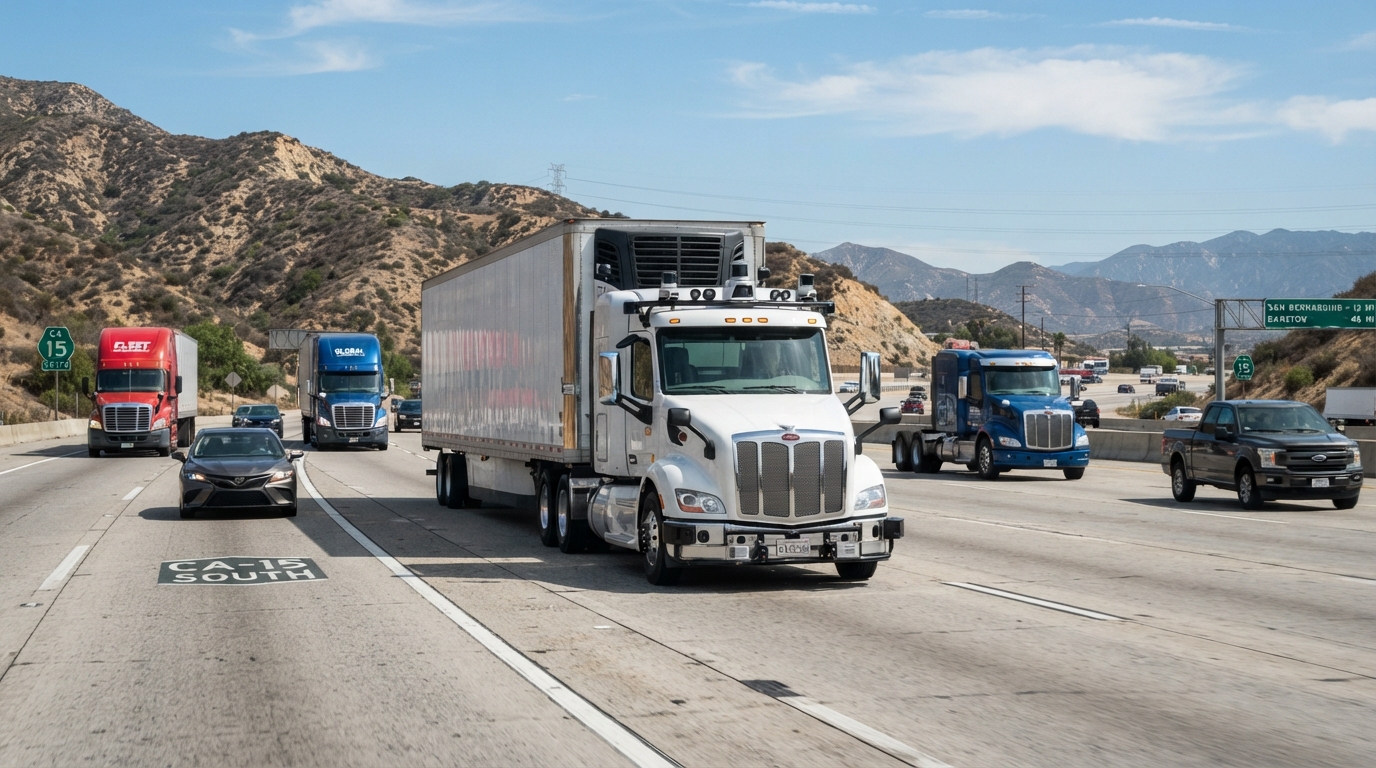
One of the largest 2026 changes involves autonomous trucks. The previous system restricted many autonomous vehicles weighing more than 10,001 pounds.
The new regulations remove that general prohibition. Manufacturers may now apply to test and deploy qualifying heavy-duty autonomous vehicles on California roads.
This change could affect freight routes across the state. California has major ports, warehouses, distribution centers, and interstate trucking corridors.
However, an autonomous truck does not receive unlimited access simply because the rules changed. Heavy-duty AVs must still follow applicable state and federal commercial vehicle requirements.
They must also stop at California Highway Patrol weigh stations when required.
The permit process remains important. A company must meet DMV requirements before it can lawfully conduct covered testing or deployment.
Traffic Violations Can Lead to Manufacturer Enforcement
Driverless vehicles create a basic enforcement problem. A police officer cannot hand a traffic ticket to a computer.
California’s new rules address that issue. Law enforcement can issue a Notice of AV Noncompliance when an autonomous vehicle commits a moving violation.
The notice gives regulators a way to track traffic-law problems linked to autonomous fleets.
The DMV can also impose operating restrictions when safety concerns develop. Those restrictions may affect fleet size, operating location, speed, or weather conditions.
This system places more responsibility on the manufacturer. It also creates records that may help regulators identify repeated safety problems.
Drivers interested in broader California legal developments can visit the site’s Legal Resources section. The Practice Areas page also provides information about available legal services.
Emergency Response and AV Data Rules Are Stronger
Autonomous vehicles can create unusual problems during emergencies. A stalled driverless vehicle may block an ambulance, fire engine, police unit, or evacuation route.
California’s updated rules add specific requirements for these situations.
Manufacturers must maintain first-responder interaction plans. They must also provide communication systems that allow emergency personnel to reach the company.
The rules require a response within 30 seconds through the required two-way communication system.
Local emergency officials can also create temporary restricted zones during certain public safety incidents.
Autonomous Vehicles Must Respond to Emergency Zones
Emergency officials may send electronic geofencing instructions to an AV manufacturer. These instructions can create a temporary restricted or do-not-enter area.
Once the company receives the directive, its vehicles must follow the restriction. Vehicles already inside the affected area must leave as required.
The DMV says manufacturers must direct their fleets to leave the identified area within two minutes after receiving an emergency message.
This rule may help reduce conflicts between autonomous vehicles and emergency crews.
The regulations also address remote operations. Remote drivers and assistants must meet new qualification, training, and permit requirements.
These rules matter because some autonomous systems may receive remote support even when no person sits behind the steering wheel.
California Now Requires More AV Safety Data
The 2026 regulations also expand data reporting. Manufacturers must report more information about how autonomous vehicles perform on public roads.
Important data can include system failures, vehicle immobilizations, hard braking events, collisions, and vehicle miles traveled.
California already requires manufacturers testing autonomous vehicles to report qualifying collisions. The DMV also publishes collision reports and other AV information.
For serious incidents, regulators may request additional technical data. That information can help officials understand what happened before and during a crash.
Depending on the event, useful data may include sensor information, vehicle speed, acceleration, braking commands, steering commands, images, and video.
That kind of evidence can become important when several parties disagree about how a collision occurred.
What Drivers Should Do After an Autonomous Vehicle Accident
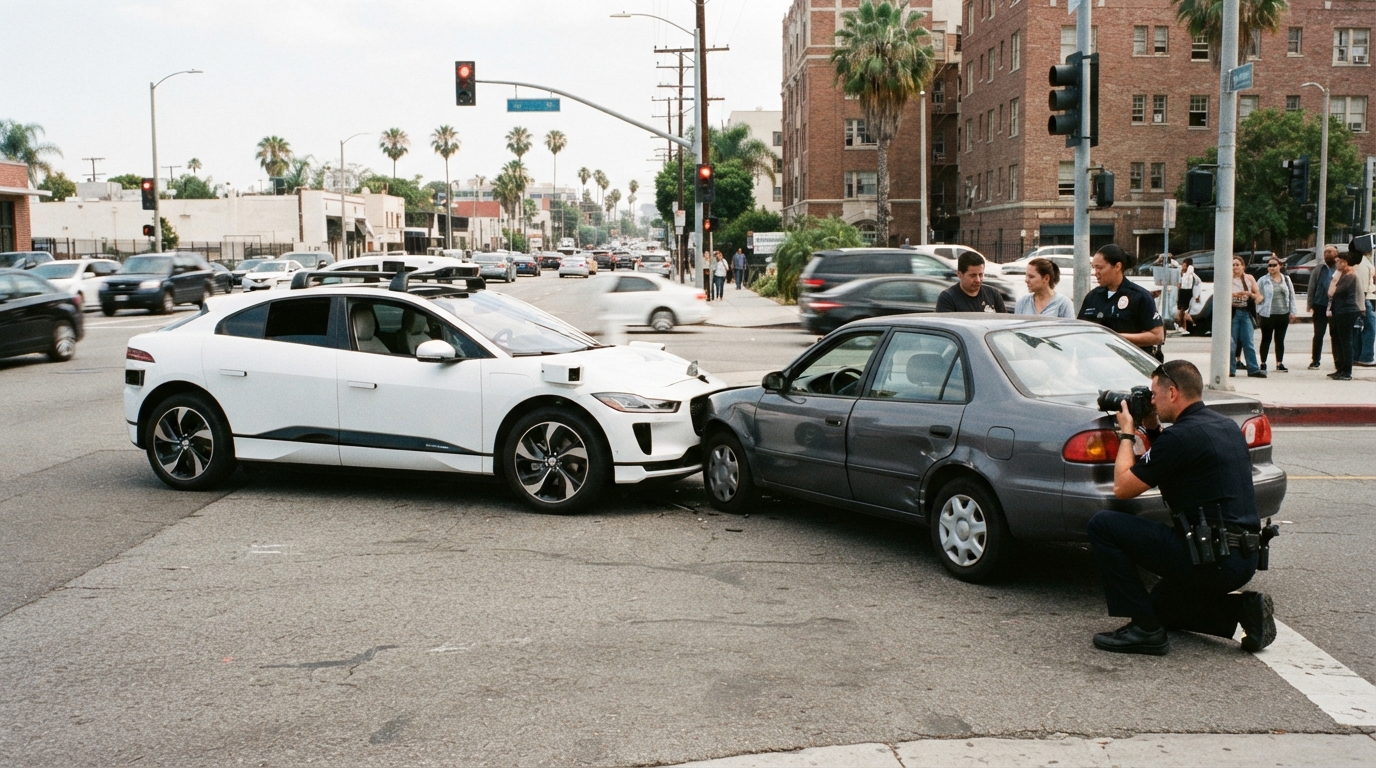
A crash involving an autonomous vehicle can look similar to any other traffic collision. However, the evidence may be very different.
A human driver may explain what they saw before a normal crash. A fully driverless vehicle cannot give that type of statement.
Instead, digital records may help explain what the vehicle detected and how the automated system responded.
That does not mean the autonomous vehicle company automatically caused the accident. Another driver, cyclist, pedestrian, roadway problem, or other factor may share responsibility.
Protect Evidence and Identify the Vehicle
Start with basic crash safety. Move to a safe place when possible and call emergency services when someone needs medical help.
Document the scene if you can do so safely. Photos and video may help show vehicle positions, road conditions, traffic signals, damage, and nearby signs.
Try to identify the autonomous vehicle operator or manufacturer. Look for vehicle markings, identifying numbers, or other useful details.
Drivers should also gather ordinary accident information when available.
- Take photographs of every damaged vehicle.
- Record the autonomous vehicle’s identifying information.
- Photograph the road, intersection, traffic signals, and skid marks.
- Get contact details from available witnesses.
- Save dashcam or phone video.
- Request the police report when one exists.
- Keep medical records and repair estimates.
- Save insurance emails, letters, and claim numbers.
- Write down what happened while the details remain fresh.
California drivers also have their own accident reporting duties. The DMV generally requires an SR-1 report within 10 days when someone is injured or killed, or property damage exceeds $1,000.
The SR-1 requirement is separate from a police report or an insurance claim.
Manufacturers have separate reporting duties for autonomous vehicle collisions. California maintains specific AV collision reporting procedures and public records.
Review the California DMV’s official Autonomous Vehicles resources and collision information.
A crash involving an autonomous system may also involve evidence that drivers cannot obtain at the roadside. Vehicle logs, sensor records, software information, camera footage, and remote-operation records may exist.
Because digital information can matter, preserving evidence early may become important in a serious claim.
Liability still depends on the facts. An accident could involve a human driver’s negligence, an autonomous system issue, vehicle maintenance, road design, or several causes at once.
Drivers should avoid assuming that the absence of a human driver makes the legal answer simple.
California’s new regulations improve oversight and create more safety data. They do not create an automatic rule that an AV manufacturer must pay for every collision involving its vehicle.
Visitors can review the site’s California Court Guide for general information about California courts. The Legal Resources section also provides additional educational material.
California’s 2026 autonomous vehicle rules mark a major expansion of the state’s AV framework. Heavy-duty vehicles can now enter the permit process, while regulators have stronger enforcement and emergency response tools.
The rules also create more detailed safety reporting. That may give regulators and investigators better information when problems occur.
For drivers, the practical advice remains straightforward. Stay safe after a crash, document the scene, preserve records, and understand that digital evidence may play a larger role.
Autonomous vehicle technology will continue to change. California drivers and businesses should therefore check current DMV rules when a question involves testing, deployment, safety, or a collision.